
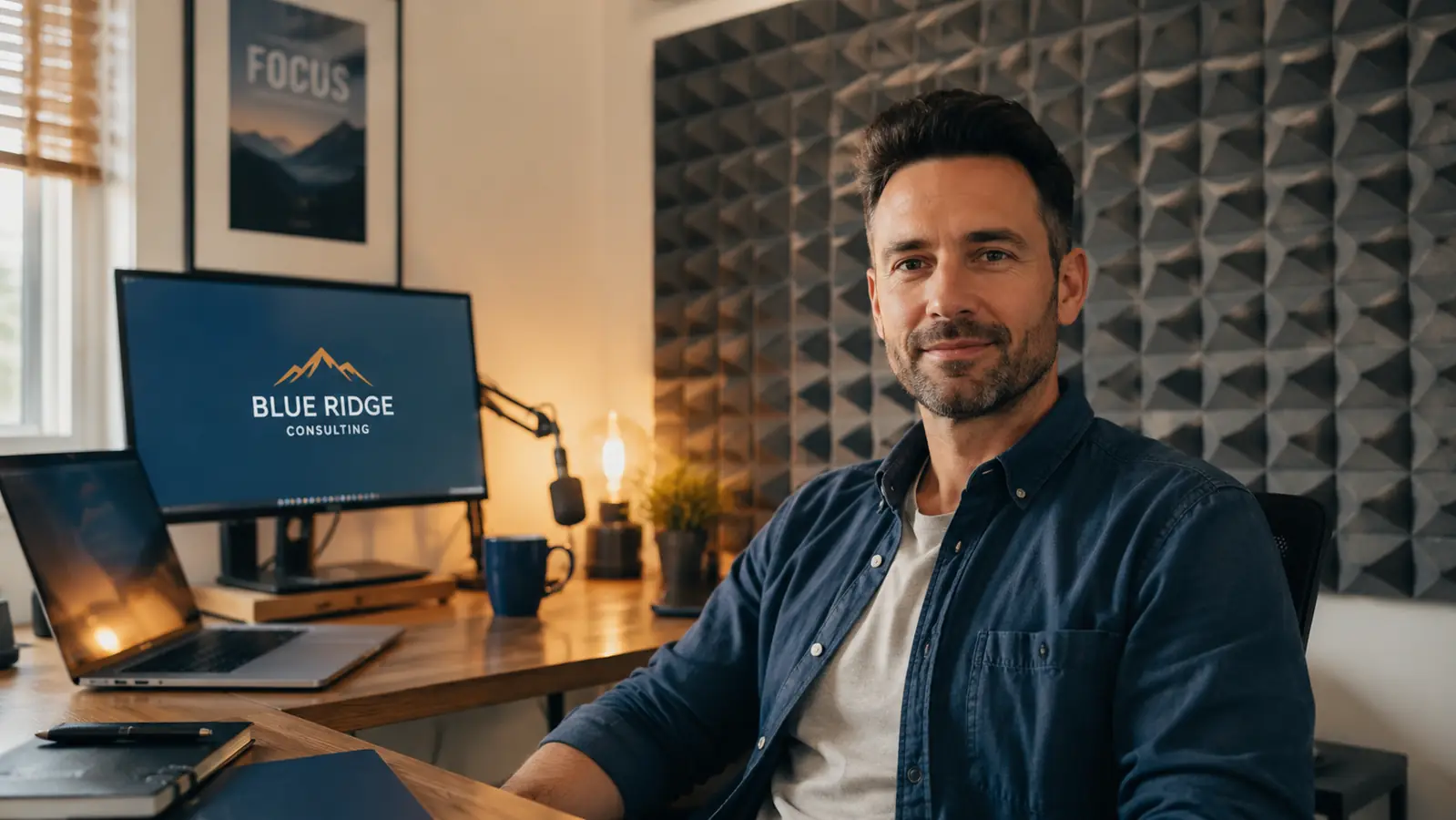
If your video calls sound like they're happening in a stairwell, the problem usually isn't your microphone. It's your walls. Bare drywall, windows, and hardwood floors bounce sound around a room instead of absorbing it, and that bounce is exactly what coworkers hear as an echo or a hollow, tinny voice on the other end. I ran into this in a spare bedroom I converted into an office, and the fix wasn't a new headset or a pricier mic. It was a pack of JBER acoustic foam panels stuck to the wall behind my desk, and it cost less than most people spend replacing a webcam.
I didn't expect 12 foam wedges to matter this much. But once you understand what's actually happening acoustically in a small room, the reasons stack up fast. Here are ten of them, in the order I noticed them after installing my own set.
Stop Sounding Like You're on Speakerphone in a Hallway
The JBER 12-pack covers enough wall space to treat a typical home office corner at today's price, which is a lot less than most people assume for a real acoustic fix. Peel, stick, done.
Amazon Check Today's Price on Amazon →It kills the echo bouncing back into your own mic
Most laptop and webcam mics are omnidirectional, meaning they pick up sound from every direction, not just your voice. In an untreated room, they also pick up your voice reflecting off the wall behind you a split second later. That's the echo callers complain about. The foam wedges on the JBER panels absorb those reflections before they hit the mic again, so what gets sent out is just your voice, once, clean. It's the single biggest audio complaint I hear from coworkers who work out of a spare room, and it's almost always fixable without touching a single setting on the mic itself.
Your voice sounds closer to the mic than it actually is
Treated rooms have a psychoacoustic effect where voices sound more present and intimate, even at the same physical distance from the mic. After I put panels up, two different coworkers asked if I'd bought a new headset. I hadn't moved an inch closer to my laptop, and I was still using the same built-in mic I'd had for over a year. The room itself just stopped fighting my voice, which is a strange thing to notice but an easy one to hear once you compare a call before and after.
You stop having to lean in or raise your voice
In an echoey room, the instinct is to compensate by talking louder or leaning toward the screen, which actually makes reflections worse and gives you a strained, shouty sound on recordings. With the room absorbing excess sound, you can talk at a normal conversational volume and still come through clearly. That matters more than it sounds like on back to back calls, since a full day of straining your voice to be heard adds up by the fifth or sixth meeting.
Hard surfaces are the real enemy, and most home offices are full of them
Drywall, closet doors, windows, and hardwood or laminate floors all reflect sound instead of absorbing it. A spare bedroom converted into an office is often the worst possible acoustic environment because it wasn't designed with any soft furnishings, rugs, or curtains to break up sound the way a living room naturally does. Panels placed directly behind your desk chair target the exact reflection path that hits your mic hardest, which is why placement matters as much as the panels themselves.
Recorded calls and screen recordings sound noticeably more professional
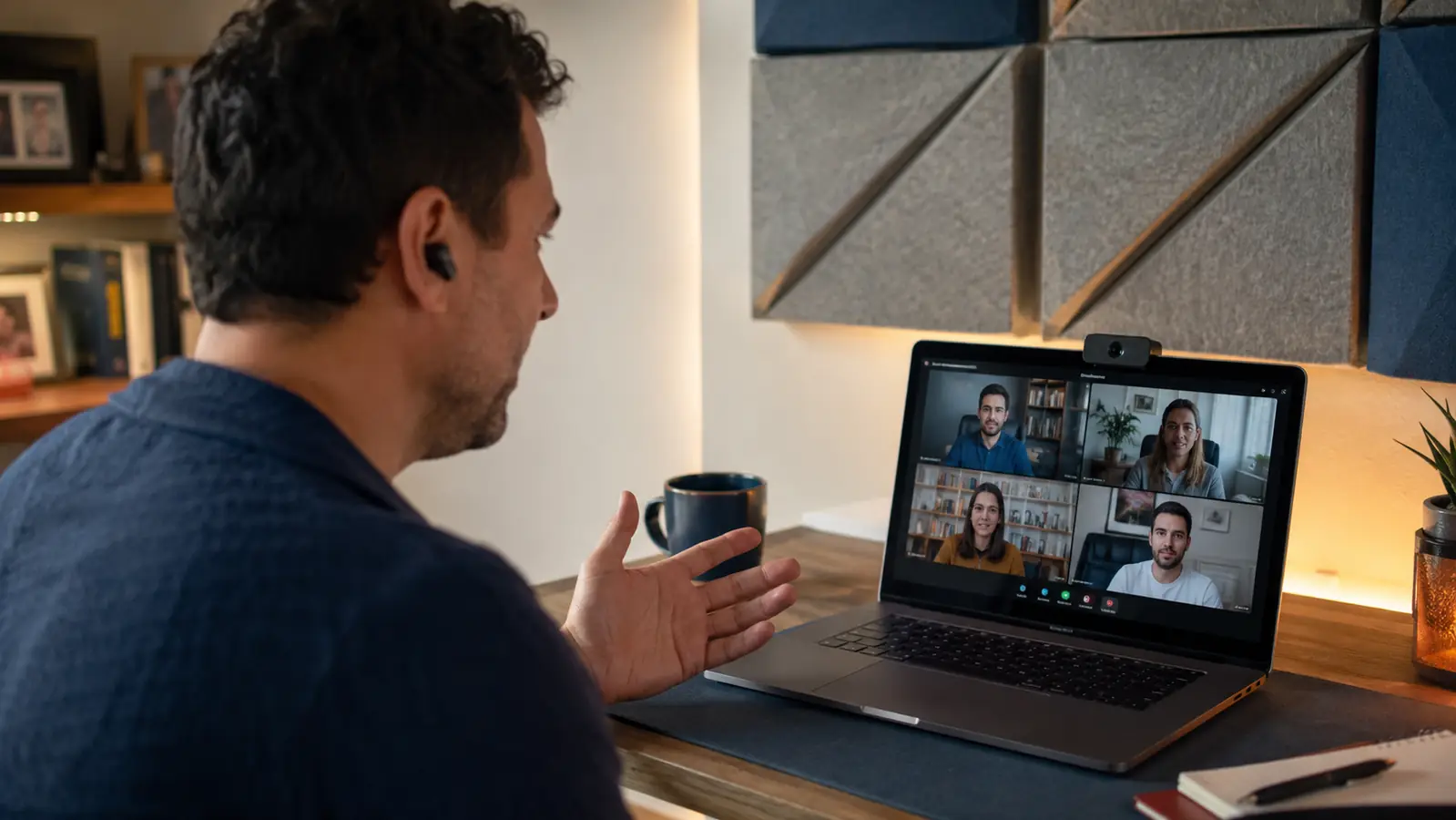
If you record demos, training videos, or client calls for later playback, echo is far more obvious on a recording than in a live conversation, because listeners aren't distracted by video and body language the way they are in real time. Treating the wall behind you is one of the cheapest ways to make recorded audio sound like it came from a real studio setup instead of a spare bedroom with a laptop propped on a stack of books.
It removes the boxy, hollow quality from higher frequencies
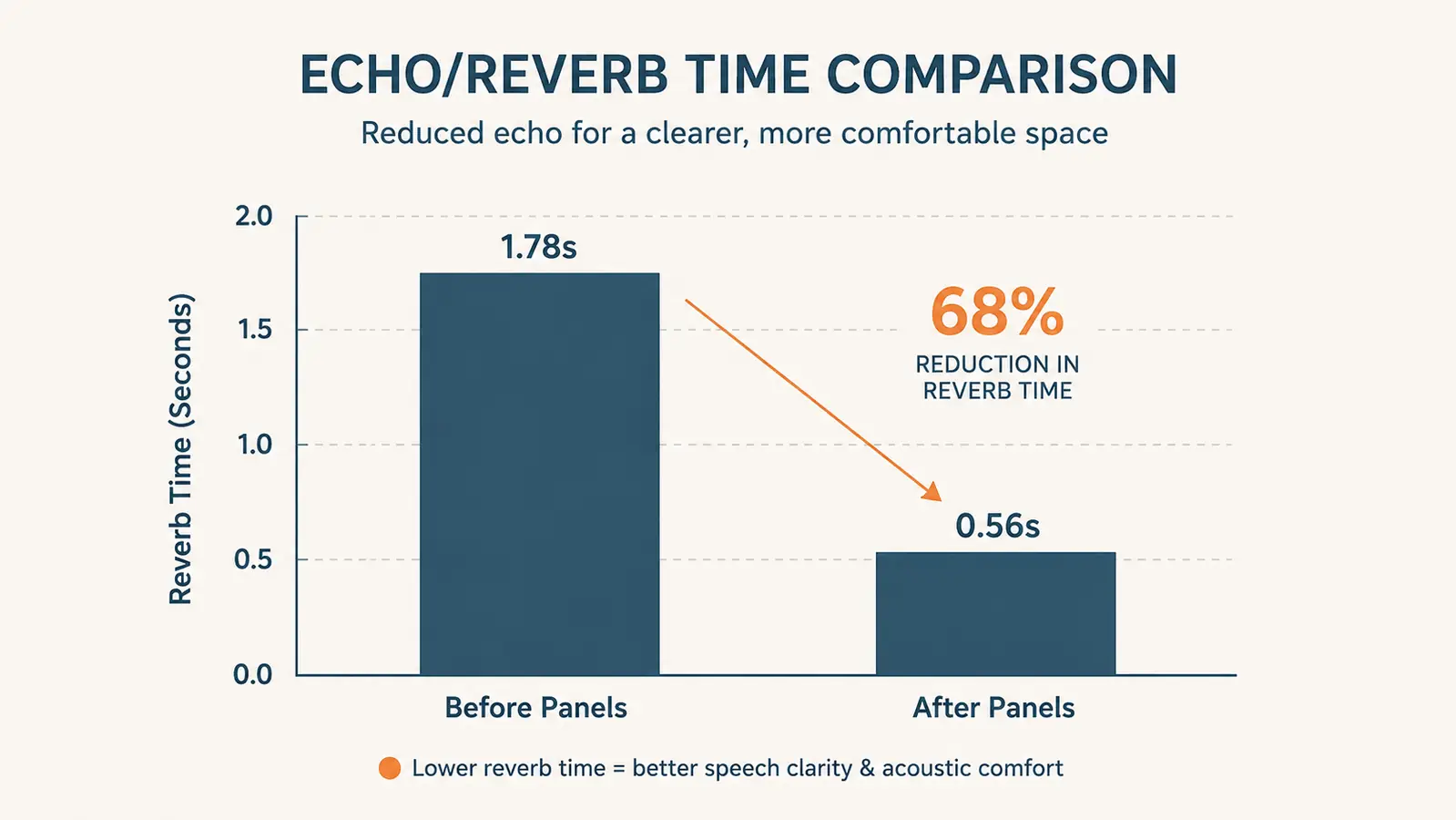
A lot of the harshness people hear on untreated calls isn't volume, it's a boxy resonance in the mid and high frequencies caused by sound bouncing between two parallel hard surfaces, like a wall and a window across the room. The high-density foam wedges in the JBER panels are specifically shaped, not flat, to break up those reflections rather than just muffle the room, which is why the fix targets clarity, not just quietness.
It's a fraction of what a soundproofing contractor charges
Real soundproofing contractors charge a lot to treat a single room properly, and most of that cost goes toward blocking outside noise, not fixing echo for a video call. For call quality specifically, you don't need soundproofing, you need sound absorption, and a small pack of panels does that job at today's price, which is nowhere close to what any professional treatment would run.
Installation takes an afternoon, not a renovation
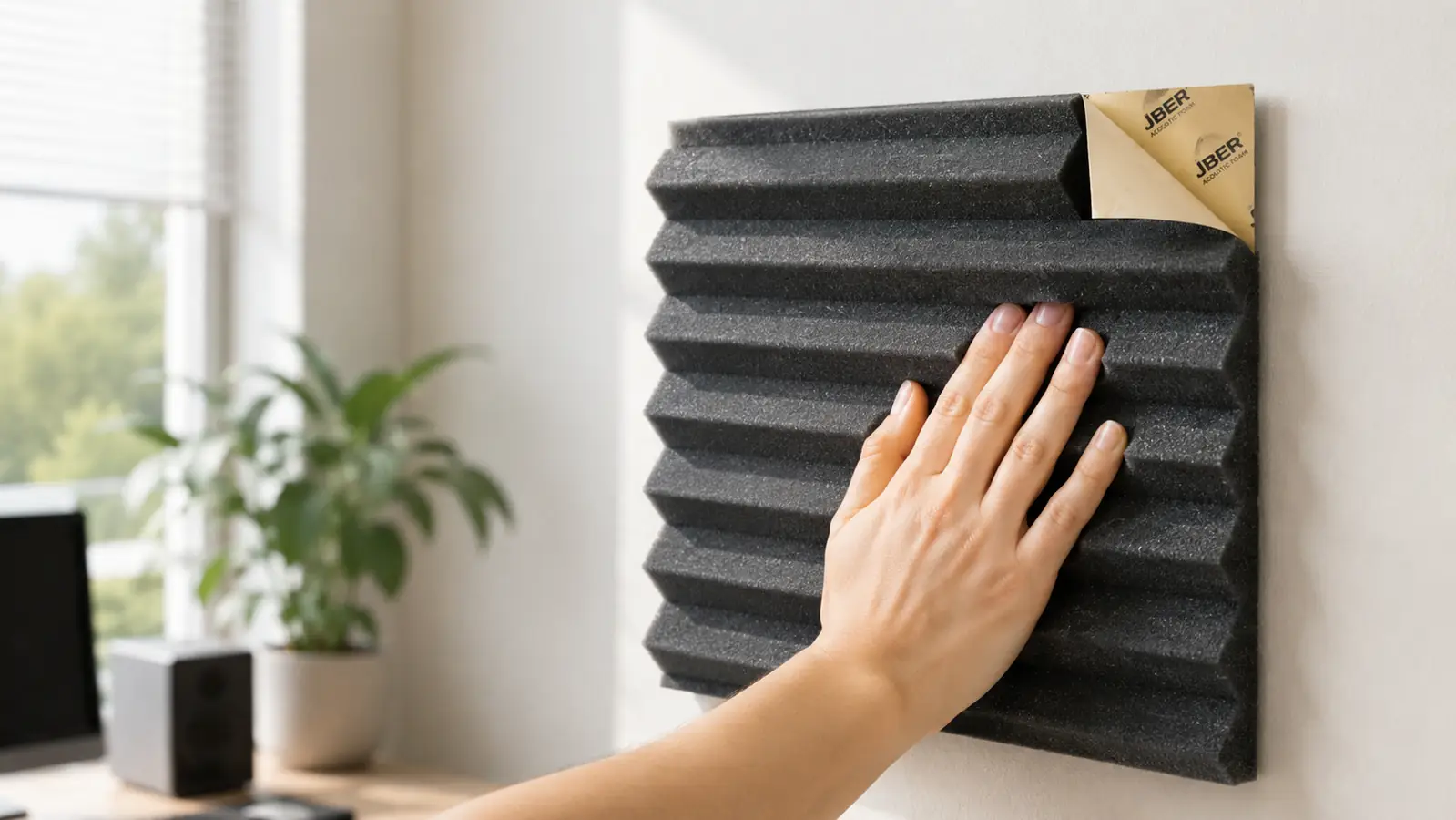
Each panel comes with adhesive backing strips, so there's no drilling, no mounting hardware, and no drywall damage to worry about if you're renting. I put up 12 panels in under 20 minutes, mostly spent deciding on a pattern that looked decent on camera rather than fighting with the install itself. If you can peel a sticker and press it flat, you can do this whole project before your next scheduled call.
It improves how the room sounds to you, not just to callers
Reflections don't just travel out through your mic, they also bounce back into your own ears, which is part of why long calls in an untreated room feel more fatiguing by the end of the day. Less reflected sound hitting your ears over an eight hour workday adds up, even if it's a subtle difference from call to call. A few coworkers I mentioned this to said their office felt noticeably calmer after treating even one wall.
It looks intentional on camera instead of like a bare wall
A textured charcoal gray panel wall reads as a deliberate studio-style backdrop, not a neglected spare room someone hasn't gotten around to decorating. It's a small detail, but on video calls where people are staring at your background for 30 minutes straight, a wall that looks put-together does quiet work for how put-together you look, even before you say a word.
What I'd Skip
I wouldn't bother covering an entire wall floor to ceiling. The biggest gains come from treating the section directly behind where you sit on calls, since that's the reflection path your mic actually hears, and a full wall of foam is overkill for what a home office actually needs. I'd also skip expecting these panels to block outside noise. A barking dog, a lawn mower next door, or a roommate's TV will still come through just as loud as before. Foam wedges absorb reflections that are already inside the room, they don't stop sound from entering it in the first place. For that you'd need mass, like a solid door with a sweep or heavier curtains, not foam, and no amount of extra panels will change that.
I didn't need a better microphone. I needed a room that stopped arguing with the one I already had.
A Small Fix Coworkers Will Actually Notice
Twelve panels, adhesive backing, done in an afternoon. If your calls have that hollow, far-away sound, this is one of the cheapest real fixes available at today's price.
Amazon Check Today's Price on Amazon →